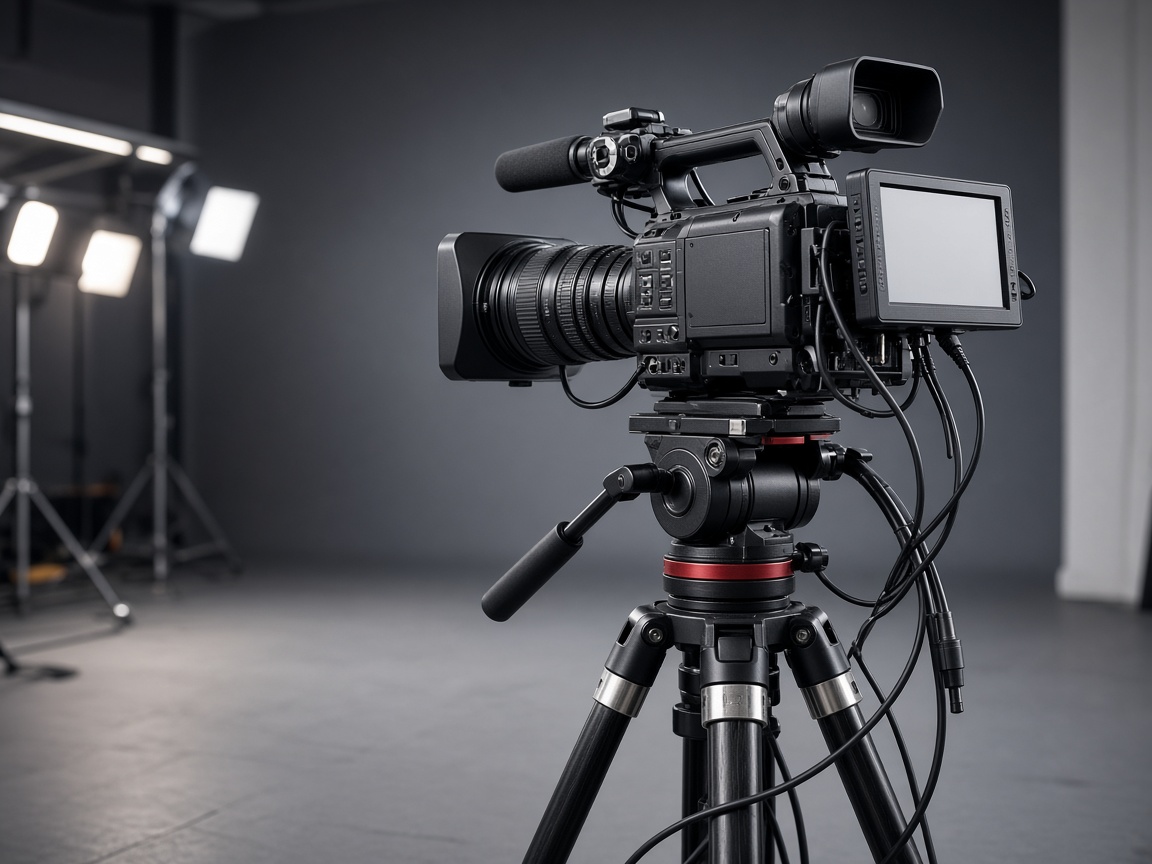
Studio Camera Lab
Pedestal work, presenter coverage, two-shots and close-ups, and matching your shot to the other studio cameras.
Format: demo, guided practice, playback of your take, then a second attempt with one condition changed.
Broadcast cameras come with dozens of settings. The picture still depends on the person behind them, so every setting we teach is linked to a specific shot or a common problem on a shoot.
You practise rigging, exposure, focus, framing and moves one at a time, then put them together in short drills. That way the routine carries over when you pick up a camera you have never used before.
Pedestal work, presenter coverage, two-shots and close-ups, and matching your shot to the other studio cameras.
Format: demo, guided practice, playback of your take, then a second attempt with one condition changed.
News-style shooting on location, where people move unexpectedly and the light is harder to control than indoors.
Format: demo, guided practice, playback of your take, then a second attempt with one condition changed.
Event coverage in real time: reading what happens next, following talkback and keeping a usable frame from start to finish.
Format: demo, guided practice, playback of your take, then a second attempt with one condition changed.
Seated and standing interviews: eyeline, lens height, background choice and steady reframes while the guest talks.
Format: demo, guided practice, playback of your take, then a second attempt with one condition changed.
A pre-shoot routine for batteries, cards, white balance, focus assist, lens selection and a secure tripod or rig.
Format: demo, guided practice, playback of your take, then a second attempt with one condition changed.
Camera numbers, staying on your assigned shot, matching the look of other cameras and answering the gallery clearly.
Format: demo, guided practice, playback of your take, then a second attempt with one condition changed.
Memorising terms is not the point. By the end of a module you should know how to walk up to a camera, get a shot ready and get back on track when something on set changes.
Playback is part of every lesson. You learn to notice soft focus, shaky moves, too much or too little headroom, unnecessary reframes and exposure that drifts between shots, and the next take starts from that list.