Studio Camera Lab
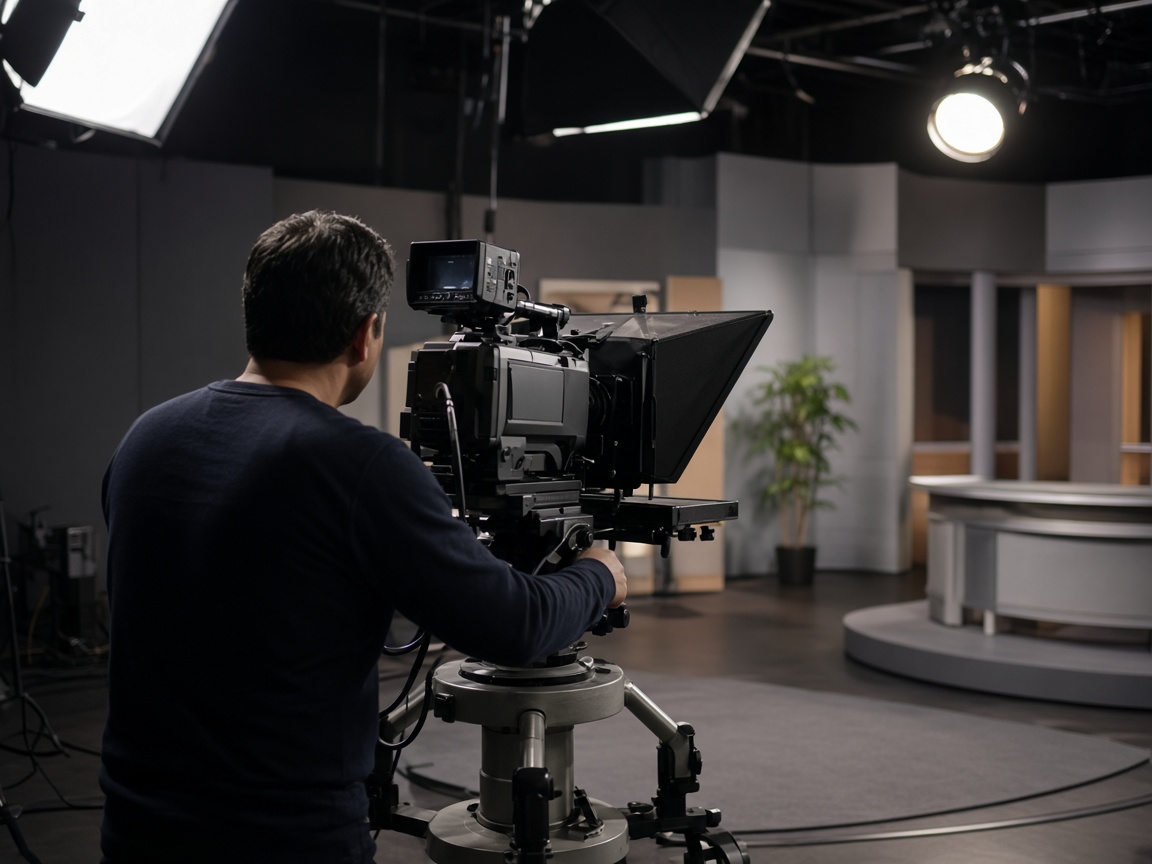
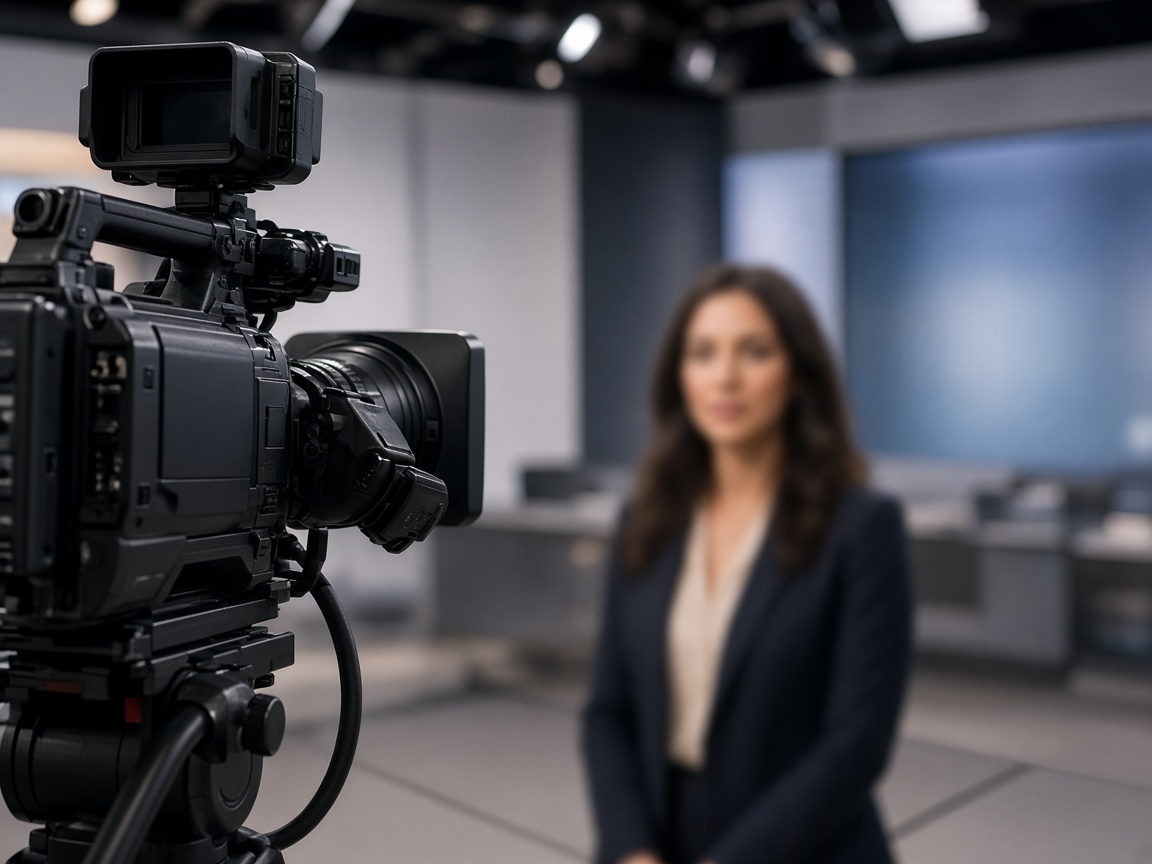
Pedestal and tripod moves, presenter shots, eyelines and headroom, matching your picture to the other cameras. A clean, still frame comes first; movement is added after.
Prexklim teaches the hands-on side of television camera work to beginners, videographers and crew members who want to step up. Sessions cover rigging, framing, exposure and camera moves, and how to take direction on a busy set.
Explore training →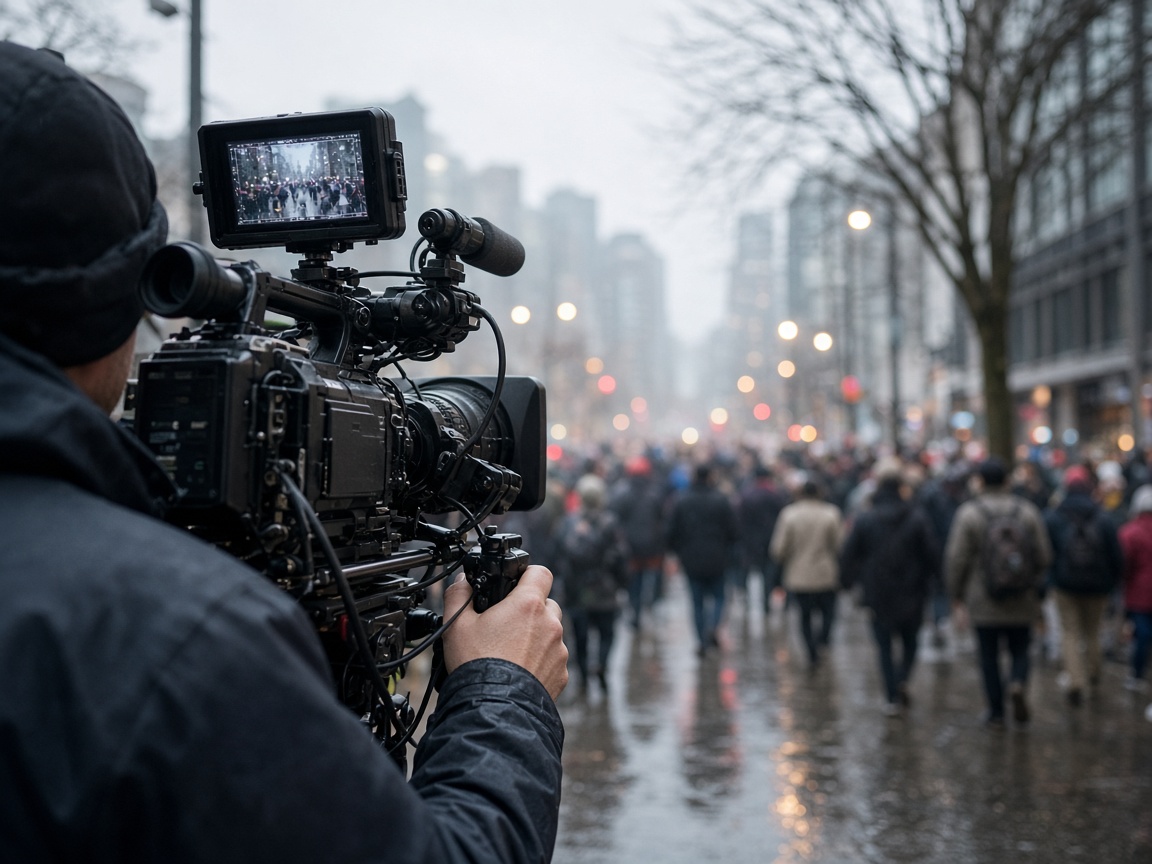
Anyone can learn where the iris and focus controls sit. What separates a working operator is knowing which subject matters in a given second, where it is heading next and how to keep the picture clean while it happens.
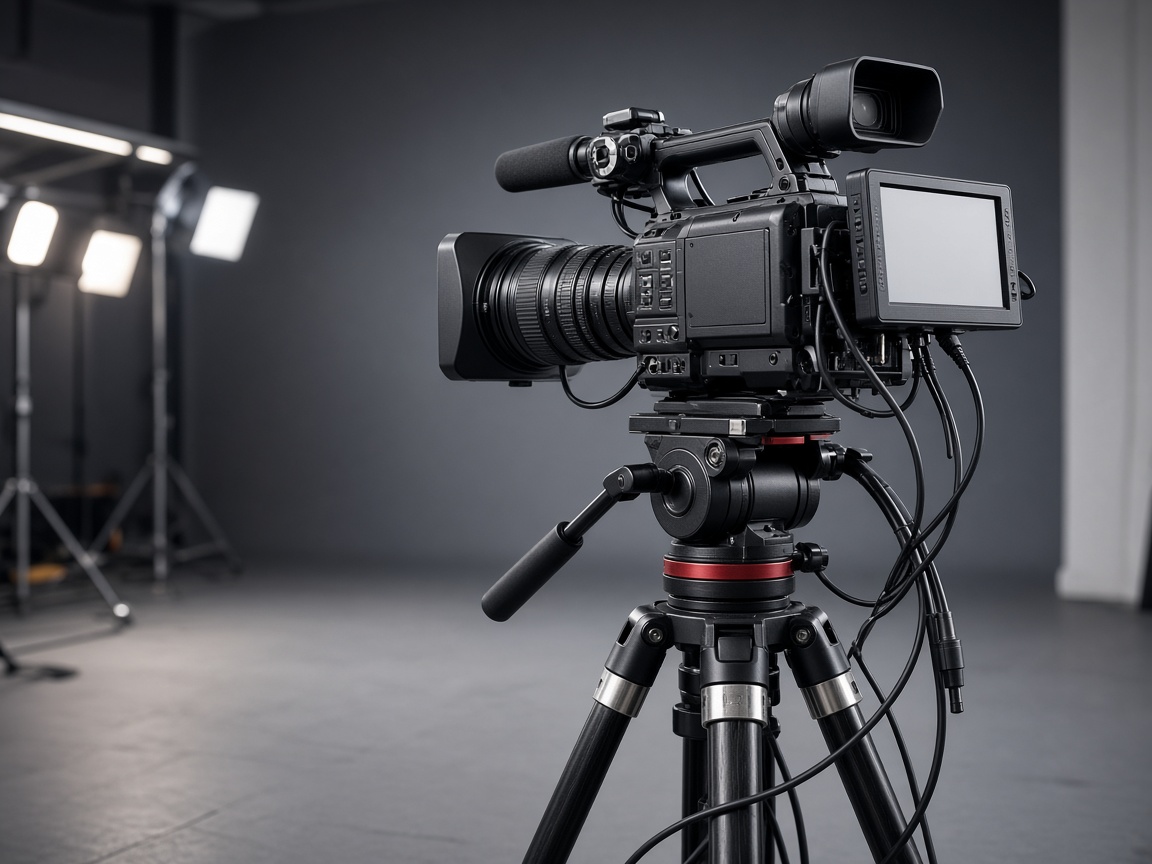
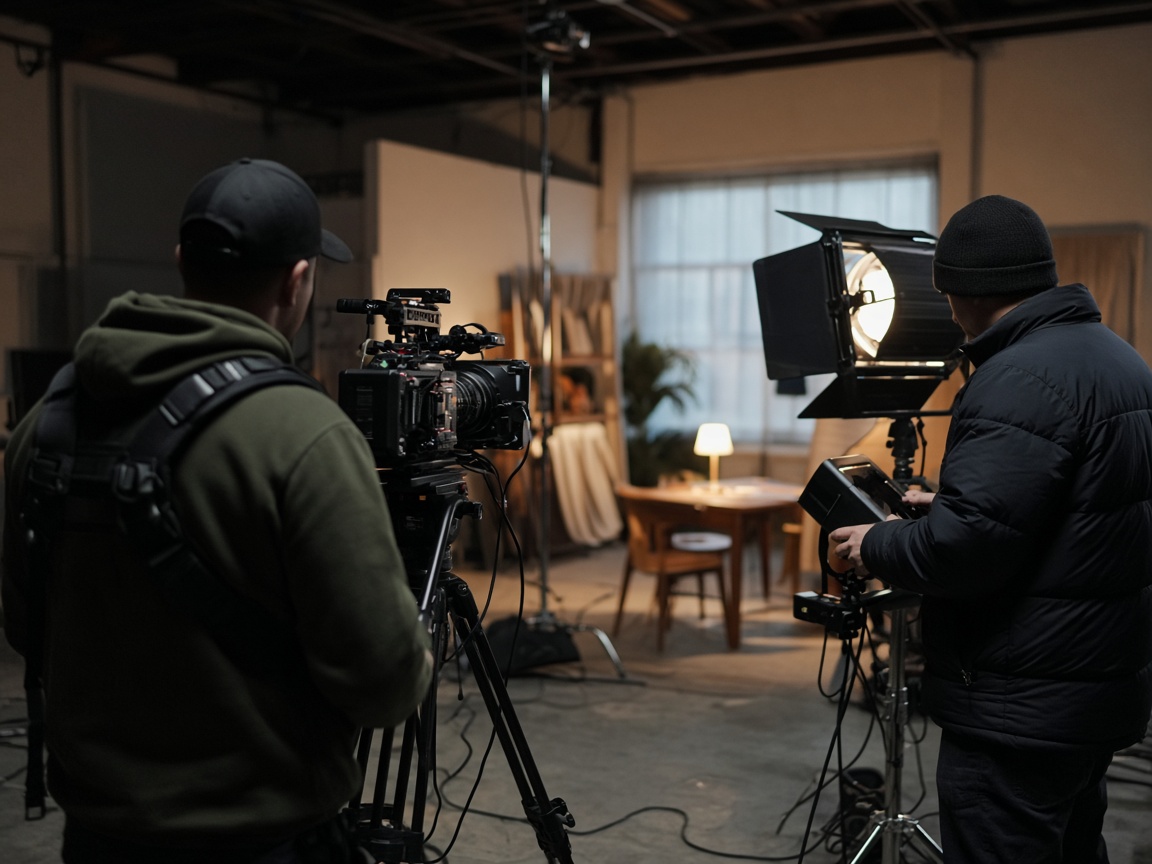
Lessons are built from situations you would meet on a real shoot: rigging a camera body, picking a lens, pulling focus, setting exposure, panning on a tripod, lining up an interview, following a live moment and keeping track of the other cameras. Each one is repeated until it stops feeling like a checklist.
Rig the camera, check power, media and white balance before anyone says “rolling”.
Pick a frame that tells the viewer where to look and hold it steady.
Take a cue from the director and change the shot without a visible bump.
Play back the take and fix one weak spot before the next attempt.
On a real broadcast a guest leans out of frame, a light gets moved, the director asks for a wider shot or camera two drops out. A course that only rehearses calm, static setups leaves you unprepared for the day it matters.
We run each scenario several times and change one thing between takes. When a shot goes wrong it becomes clear whether the cause was focus, framing, the move itself, the timing or the setup beforehand.
Talking to the crew gets its own attention too. A quick, clear reply on the headset and a reframe at the right moment save the whole team time.
Every direction is taught on real equipment. It suits newcomers to broadcast as well as videographers who want to work on larger productions.
Pedestal and tripod moves, presenter shots, eyelines and headroom, matching your picture to the other cameras. A clean, still frame comes first; movement is added after.
Interviews on location, light that keeps changing, shooting handheld and reading a new space quickly. Part of the skill is knowing when to stay put instead of chasing the action.
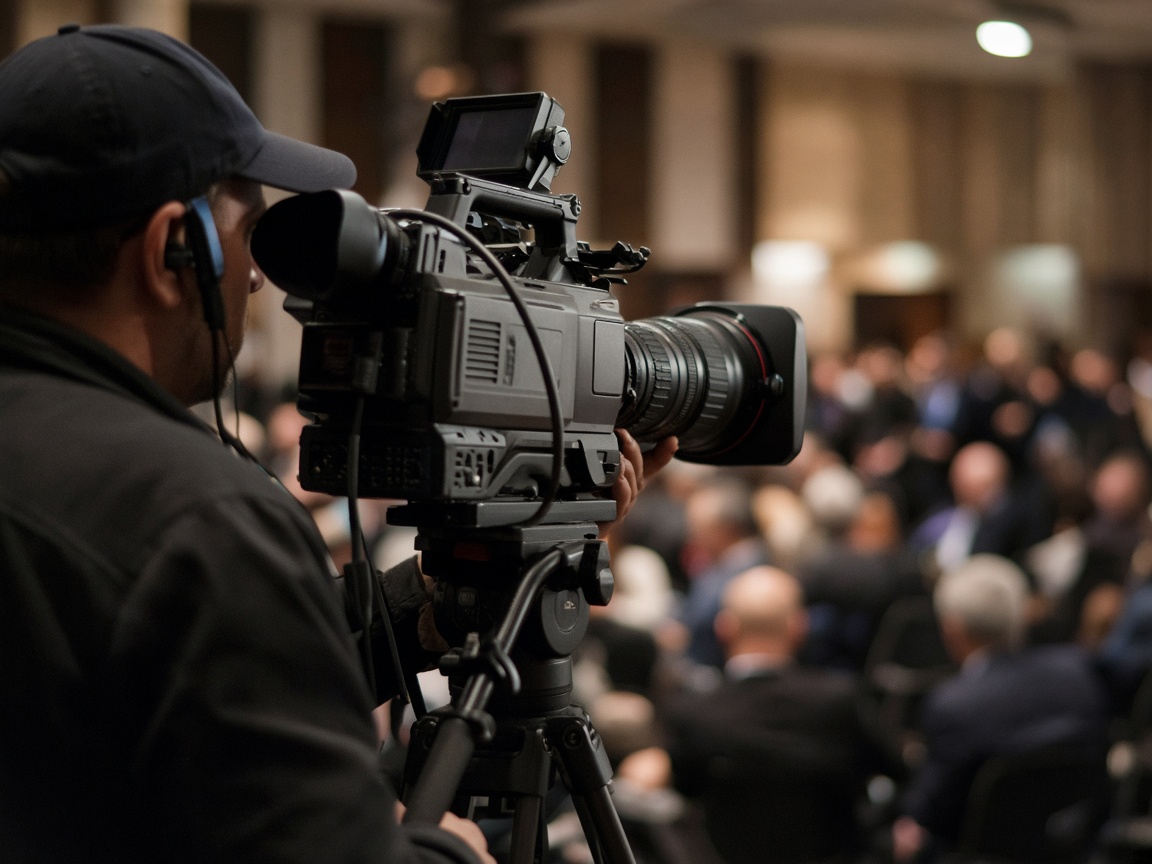
Covering events on a long lens, catching reactions and working on talkback. You learn to keep delivering usable shots while the running order shifts.
All photos on this page were made for Prexklim and are stored on this website.