Studio interview
Tidy frames, the presenter's eyeline, sharp focus and small, quiet reframes.
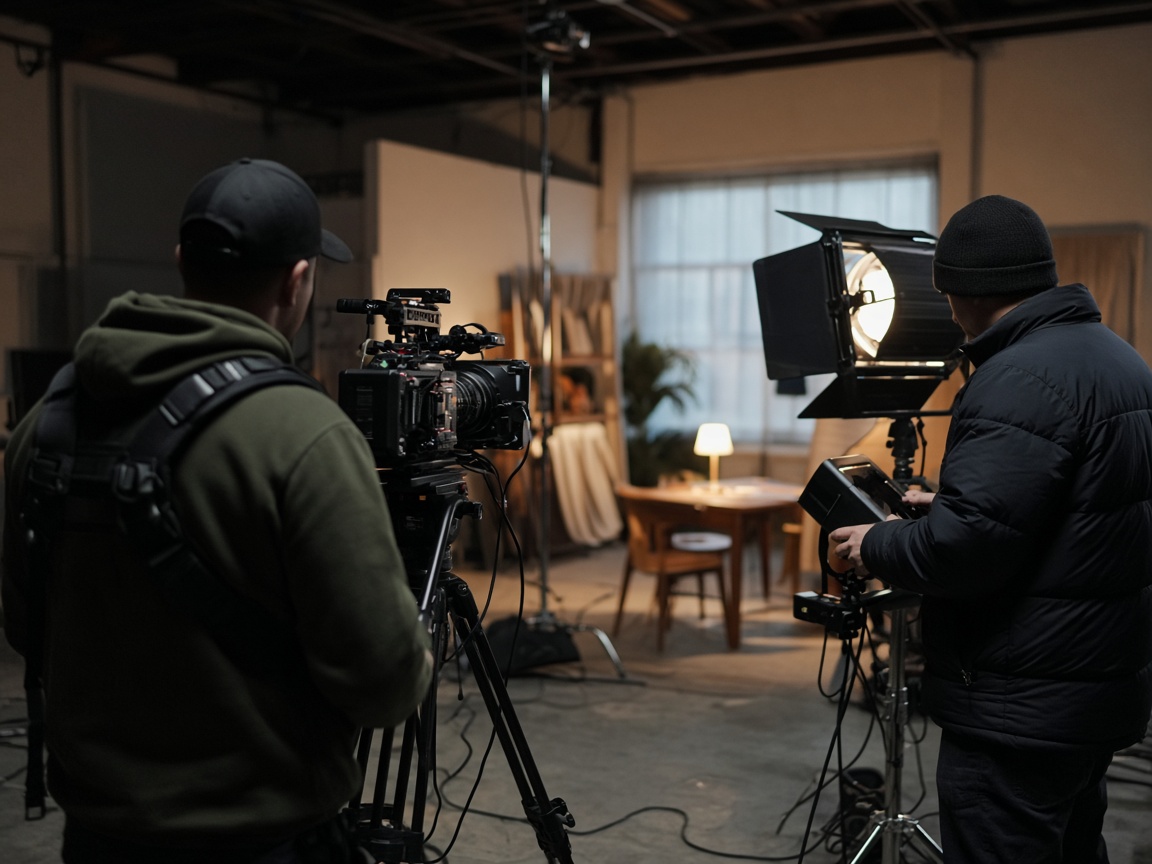
A session opens with a short scenario: what is going on in the scene, who the viewer has to see, what matters most in the frame and what might happen next.
After the first take we go straight to playback instead of a lecture. We point out what already works and pick one thing to change for the next take.
Then the same scene runs again with one difference, such as a new move, another lens, different light or an unexpected cue. Over a few rounds the right reaction becomes automatic.
A skill that only works in a quiet classroom is not finished yet. Drills move between a controlled studio and situations where you have seconds to decide.
Tidy frames, the presenter's eyeline, sharp focus and small, quiet reframes.
Quick checks on arrival, shifting daylight, shooting handheld and people who do not stay on their mark.
Long-lens work, audience reactions, following movement and taking direction over talkback.
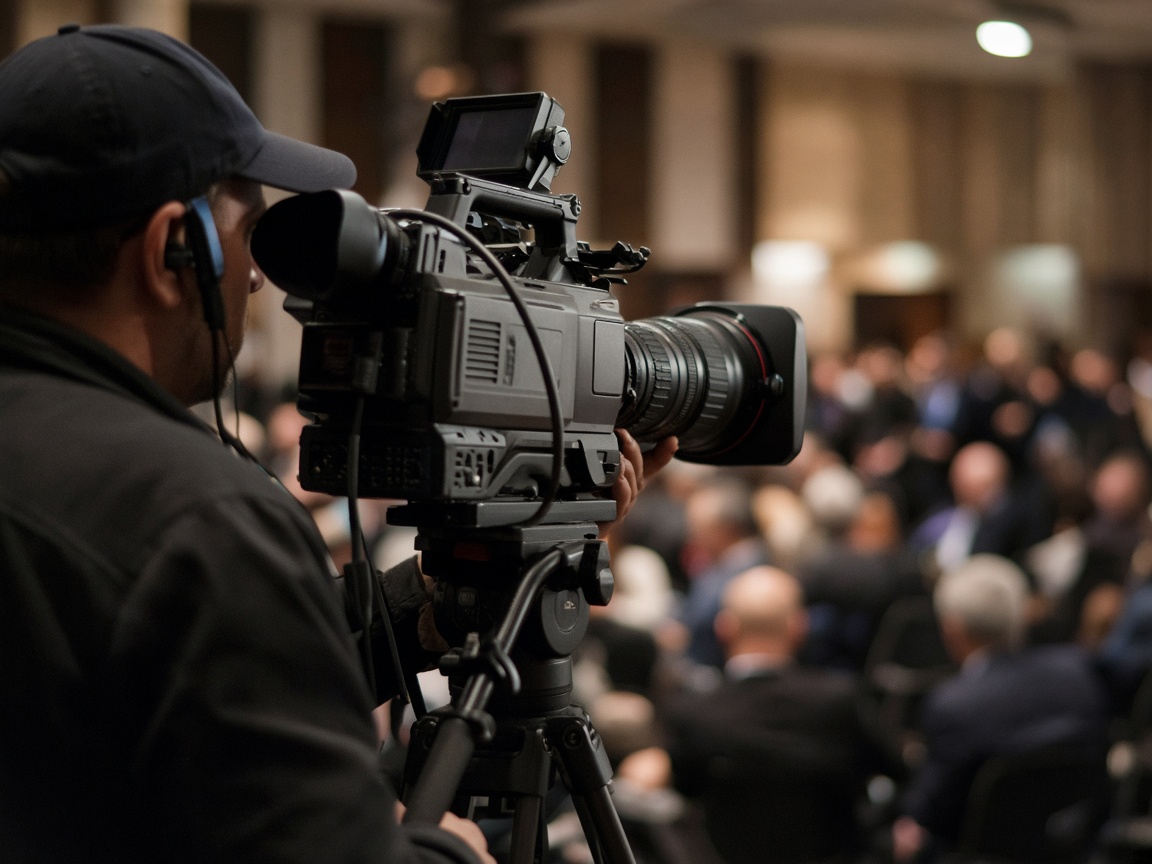
The camera is one part of a team. The director, producer, sound, floor manager and the other operators all shape what your next shot needs to be.
That is why drills include talkback practice: confirming a cue, holding your shot when told, switching to a new one calmly and catching up when the action starts earlier than expected.